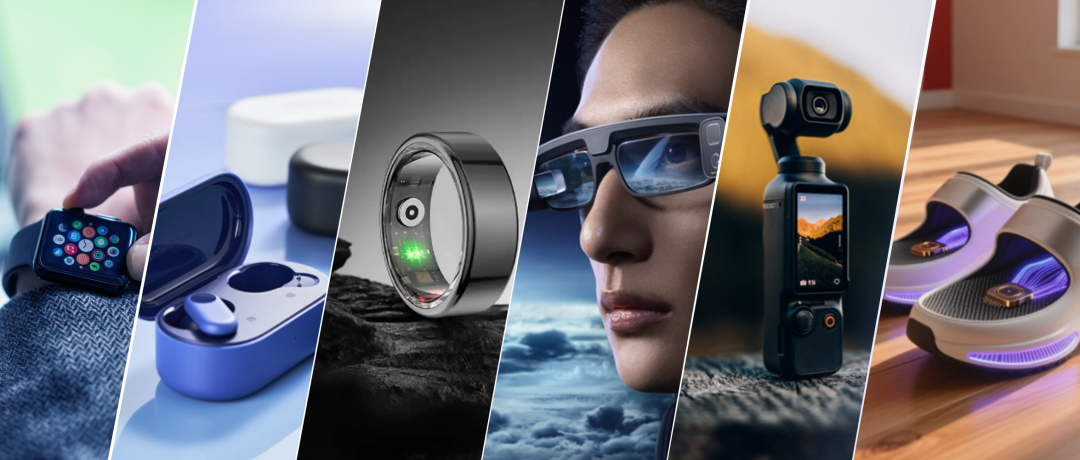
Smartwatches on the wrist continuously track health metrics, smart earbuds enable seamless voice interaction…As intelligent wearable devices continue to merge cutting-edge technology with everyday life, they are reshaping consumer lifestyles—while simultaneously raising the bar for wearing comfort, industrial design, and functional integration.
In response to these evolving market demands, Dapu Technologies has introduced its new miniature integrated real-time clock (RTC) chip, INS5T8112. Featuring an ultra-compact 2.0 × 1.6 mm package and ultra-low power consumption of 250 nA, the device delivers high performance while enabling extreme energy efficiency and miniaturization for wearable applications—accelerating the growth of this rapidly expanding, hundred-billion-dollar market.
Ultra-Small Size and Ultra-Low Power: Breaking the Industry’s “Impossible Triangle”
Today, wearable devices have evolved far beyond bands and watches, extending into earbuds, rings, cameras, smart apparel, and more—deeply embedded in scenarios such as fitness tracking, health management, and fashion-forward wearables. According to QuestMobile data, as of October 2025, monthly active users of wearable-related apps reached 159 million, representing a 12.8% year-on-year increase.
Behind this momentum, however, the industry continues to face the long-standing “impossible triangle” of lightweight design, high performance, and long battery life. Higher performance typically leads to increased power consumption and heavier devices, compromising comfort. Conversely, thinner and lighter designs often require reduced battery capacity and component size, limiting endurance.
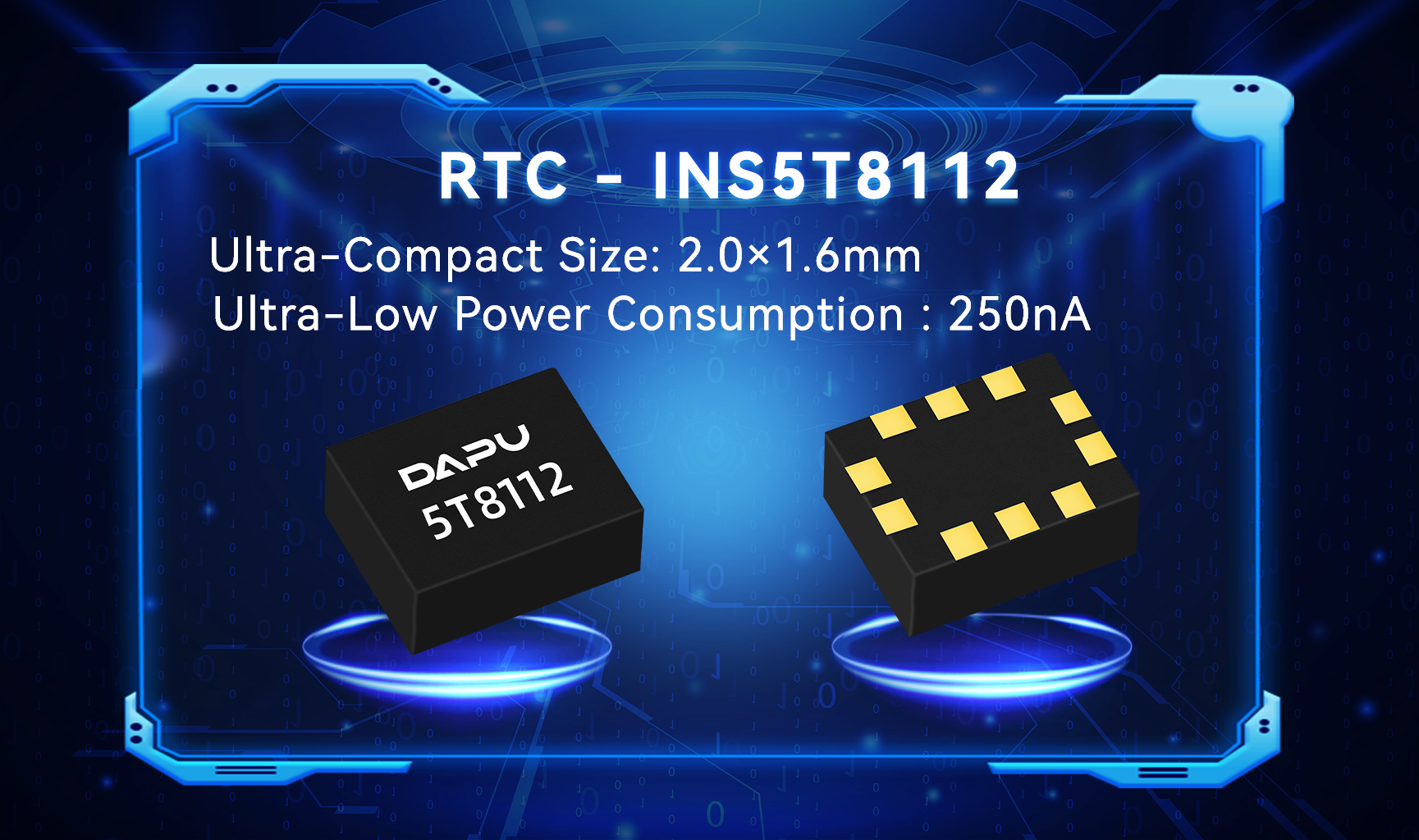
Designed specifically for wearable devices, the Dapu Technologies INS5T8112 RTC adopts an ultra-compact architecture that dramatically reduces size while optimizing power efficiency—establishing a critical technical foundation for the next stage of wearable innovation.
Extreme Miniaturization
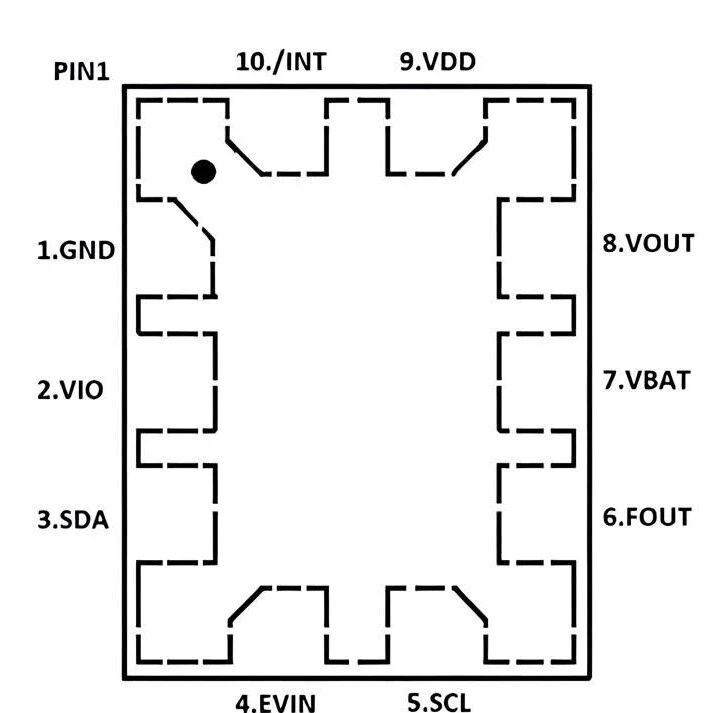
Manufactured using advanced 2016 packaging technology (2.0 × 1.6 mm), INS5T8112 reduces PCB footprint by approximately 40% compared with conventional solutions. Its compact form factor fits seamlessly into space-constrained wearable designs, freeing valuable layout area for additional sensors, larger batteries, or bigger displays. This enables lighter, thinner devices and delivers a noticeably more comfortable wearing experience.
High Reliability
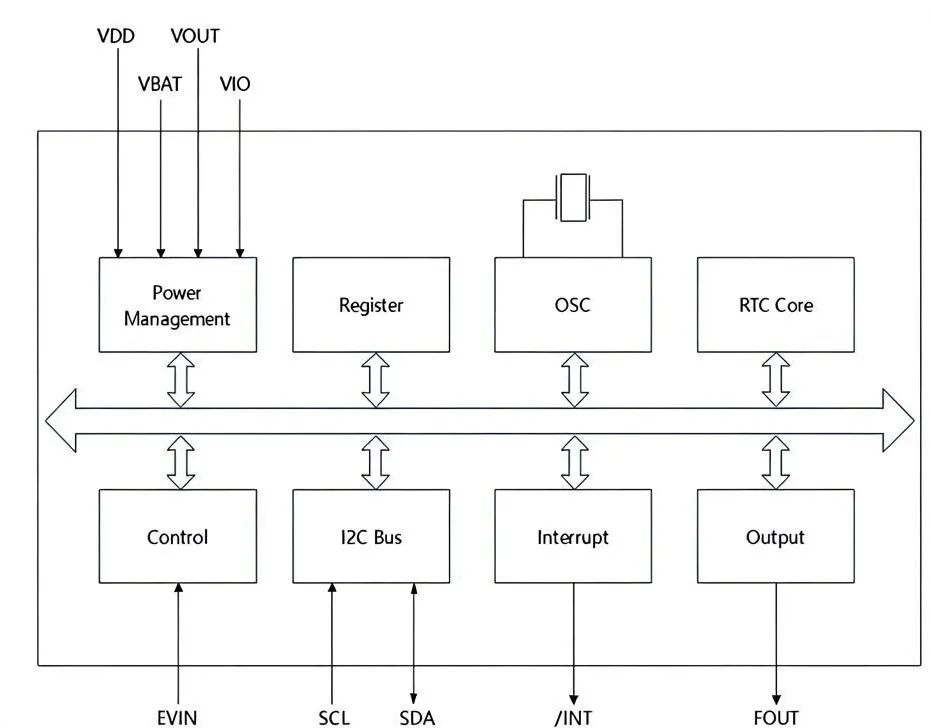
By integrating the crystal directly within the package, INS5T8112 significantly reduces the number of external components. This results in a more compact and robust circuit design, improved overall reliability, and lower manufacturing defect rates—while avoiding timing errors caused by crystal batch variation or suboptimal external layouts.
Ultra-Low Power Consumption
With power consumption as low as 250 nA (typical), INS5T8112 supports precise calendar timing, alarm triggering, sleep monitoring, and other core functions without increasing battery load. The result is substantially extended battery life, delivering longer-lasting, stable, and reliable performance for wearable devices.
Technology for Good: Enabling Deeper Integration Between Technology and Daily Life
As a critical component responsible for accurate timekeeping, task scheduling, data logging, and event triggering, the RTC has become a foundational enabler for the expanding application scenarios of wearable devices.
Amid the growing popularity of social fitness and outdoor sports, mobile terminals and wearables integrating health monitoring, workout guidance, and environmental awareness have become indispensable digital companions for enthusiasts. By providing continuous and reliable timestamps, INS5T8112 ensures data accuracy across all device functions. Its wide operating temperature range and vibration-resistant design maintain complete time traceability and dependable data processing even in extreme environments.
More importantly, the breakthroughs achieved by INS5T8112 in ultra-small size and ultra-low power consumption translate directly into tangible user benefits—improvements in device volume, weight, positioning accuracy, battery life, and wearing comfort.
INS5T8112 has now entered mass production and is actively supporting customer product commercialization. In parallel, an even smaller 2012 package RTC (2.0 × 1.2 mm) has completed development and will soon move into volume production, further extending Dapu Technologies’ technical boundaries.
The ultimate goal of technology is to create a better life. Dapu Technologies’ RTC product portfolio will continue to evolve around four key dimensions—battery life, space efficiency, power consumption, and accuracy—addressing consumer demand for both hardware intelligence and everyday convenience. By driving wearable devices and mobile terminals toward lighter, smarter, and more ergonomic designs, Dapu Technologies is helping technology truly integrate into daily life—becoming an indispensable digital companion for health management and quality-of-life enhancement.